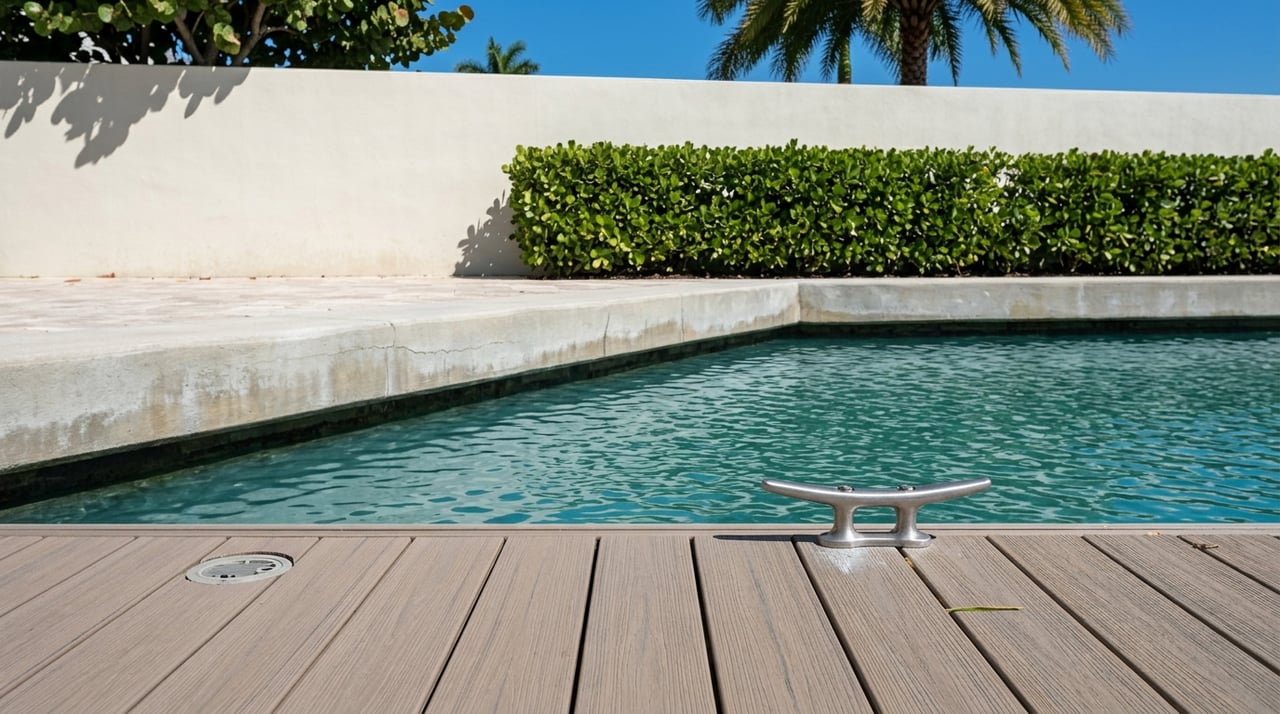
What makes a waterfront home in Miami Shores sell well: the address, the house, or the way the whole bayfront lifestyle is presented? In this market, it is usually all three. If you are preparing to sell, you need more than a standard listing plan. You need pricing, presentation, timing, and paperwork that match the realities of a Biscayne Bay property. Let’s dive in.
Why Miami Shores waterfront homes stand out
Miami Shores has a strong identity as a Biscayne Bay community. The village itself describes Miami Shores as sitting on the shores of Biscayne Bay, and public waterfront areas like Bayfront Park highlight the bayfront setting that shapes the area’s appeal. That context matters when you sell because buyers are often responding to both the home and its relationship to the water.
The local numbers also show why strategy matters. According to the Miami Shores single-family market metrics for 2025, the area had 139 closed single-family sales, a median sale price of $1,217,500, a median time to contract of 51 days, and 6.9 months of supply. In Q4 2025, the median sale price rose to $1,305,000 and median time to contract improved to 46 days.
Miami Shores also falls into a niche luxury segment where lifestyle can influence buyer decisions. MIAMI Realtors reported that Miami Shores was one of the luxury submarkets where lifestyle helps drive sales, and single-family sales rose 51.7% in Q1 2025. For sellers, that is a useful reminder: your waterfront home is not just a structure. It is an experience buyers want to picture themselves living.
Price for the market you have
A waterfront home deserves a pricing strategy that reflects current conditions, not just emotion or a neighbor’s asking price. With 6.9 months of supply in Miami Shores single-family homes in 2025, buyers may have enough choice to compare listings carefully. That means overpricing can cost you attention during the most important days on market.
At the same time, waterfront appeal can justify a premium when the property is well-positioned. Features like water orientation, dock access, outdoor entertaining space, views, and the overall condition of the seawall or waterfront edge may shape buyer response. In a market where lifestyle matters, pricing should support the story you are telling while staying grounded in current local data.
Lead with visual presentation
When buyers start online, listing media often shapes the first yes or no. The National Association of Realtors 2025 staging report found that buyers’ agents rated photos as highly important to clients at 73%, videos at 48%, and virtual tours at 43%. The same report found that 83% said staging made it easier for buyers to visualize a property.
That matters even more for waterfront homes. Buyers are not only evaluating bedrooms and bathrooms. They are looking at light, views, flow to the exterior, and whether the outdoor spaces feel usable and inviting. If your home photographs beautifully from the back terrace, pool deck, dock, or seawall line, your listing has a better chance to stand out quickly.
Stage the outdoor living areas
For a waterfront home, outdoor areas should be treated like major living spaces. The NAR report notes that commonly staged spaces include the living room, primary bedroom, dining room, and kitchen. In a bayfront property, patios, pool decks, lounge areas, and outdoor dining zones deserve the same level of attention.
That does not mean overdesigning the space. It means making each area easy to understand. Buyers should be able to see where they would sit, dine, entertain, or enjoy the water view. Clean lines, uncluttered furniture placement, and a polished waterfront edge can help buyers connect with the property faster.
Highlight the waterfront features
In Miami Shores, the dock, seawall, terrace, and waterline are not side notes. They are part of the product. The Bayfront Park fact sheet explains that the waterfront environment is affected by extreme high tides, storm surge, and saltwater intrusion into storm drains, which is part of the local reality along Biscayne Bay.
For your listing, that means buyers will pay attention to the visible condition and presentation of the waterfront components. A neat dock area, a clean terrace, and a well-presented water-facing elevation can improve the impression your property makes. When the exterior looks intentional and well-maintained, buyers can better appreciate the location and function of the home.
Use the right media package
A standard photo set is usually not enough for a waterfront listing. According to Zillow’s real estate photography tips, worthwhile listing images often include patios or decks, landscaping, and pools or hot tubs. Those recommendations fit waterfront homes especially well because outdoor amenities often help justify value.
A virtual tour can also help your property stand out. Zillow’s virtual tour guide notes that 3D tours can be created with a phone or 360 camera and can help a listing stand out, which aligns with NAR’s finding that virtual tours matter to buyers’ agents. For buyers relocating to Miami-Dade or narrowing options from a distance, that extra visibility can be meaningful.
Drone imagery is another strong fit for this type of home. Zillow’s visual guide to listing media explains that aerial photos can capture the surrounding outdoor space, yard, street, and overall orientation. For a waterfront parcel, that overhead perspective can help buyers understand how the home sits on the lot and connects to the water.
Time photos and showings carefully
Selling a waterfront home is not only about what you show. It is also about when you show it. Exterior appearance can change based on tide level, weather, wind, and sunlight, so timing matters more than many sellers expect.
The National Weather Service Miami forecast products publish tide and sunrise or sunset information for Miami Harbor Entrance alongside weather conditions. Since these windows change from day to day, it is smart to check current forecast details before scheduling photography or major showings.
A practical approach is to aim for a window when the waterline and dock look their best and the light is bright but flattering. Zillow recommends shooting exteriors with the sun behind the camera and interiors when the home is brightest. If heavy rain, strong wind, or unusually high water will hurt the presentation, it is usually better to reschedule than force a showing or photo session.
Prepare flood-related documents early
Waterfront buyers often ask more detailed questions, and they should. Miami Shores explains on its flood information page that some areas are designated Special Flood Hazard Areas and that there is a VE zone along Biscayne Bay. The village also notes that standard homeowners insurance generally does not cover flood damage, and some properties in Special Flood Hazard Areas may require flood insurance for federally backed loans.
That is why document prep matters before your listing goes live. It can help to gather items such as:
- Flood insurance information, if applicable
- Elevation certificate, if one exists
- Permit history for relevant improvements
- Mitigation or repair history related to flooding or waterfront conditions
- Any available records tied to the seawall, dock, or substantial improvements
The village says it can help locate a property on the FEMA Flood Insurance Rate Map and may keep elevation certificates on file for substantially improved properties. You can also confirm flood-hazard details through the official FEMA Flood Map Service Center. Having this information ready can make buyer questions easier to answer and reduce friction during due diligence.
Work with a clear transaction plan
In Miami Shores, a waterfront sale is rarely just about marketing. It often involves pricing strategy, disclosure preparation, title review, insurance considerations, and careful communication throughout the transaction. The more organized you are upfront, the smoother the process tends to be once offers start coming in.
That is where a fast, detail-driven listing approach can make a real difference. You want a plan that moves quickly but does not skip the essentials. Strong media, smart timing, local market context, and solid paperwork can help you attract serious buyers and keep momentum once interest builds.
If you are thinking about selling a waterfront home in Miami Shores, Andres Sanchez can help you build a listing strategy with speed, precision, and high-impact marketing. Let’s strap up and cross the finish line together.
FAQs
What should you do first when selling a waterfront home in Miami Shores?
- Start by reviewing local market positioning, then gather property documents related to flood zone, insurance, permits, and any available elevation certificate before the listing goes live.
Why is staging important for a Miami Shores waterfront listing?
- Staging helps buyers visualize how the home lives, and for waterfront properties that includes outdoor areas like terraces, pool decks, and lounge spaces that support the bayfront lifestyle.
What listing media works best for selling a Miami Shores waterfront home?
- Professional photos, video, virtual tours, and drone imagery can all help because they show not just the house, but also the lot, outdoor space, and orientation to the water.
How do tides and weather affect showings for Miami Shores waterfront homes?
- Tides, rain, wind, and harsh light can change how the dock, seawall, and waterline look, so it is smart to check current forecast conditions and schedule around the best presentation window.
Where can you verify flood information for a Miami Shores property?
- You can check the Village of Miami Shores flood resources, use Miami-Dade flood tools referenced by the village, and confirm official flood-hazard information through FEMA’s Flood Map Service Center.