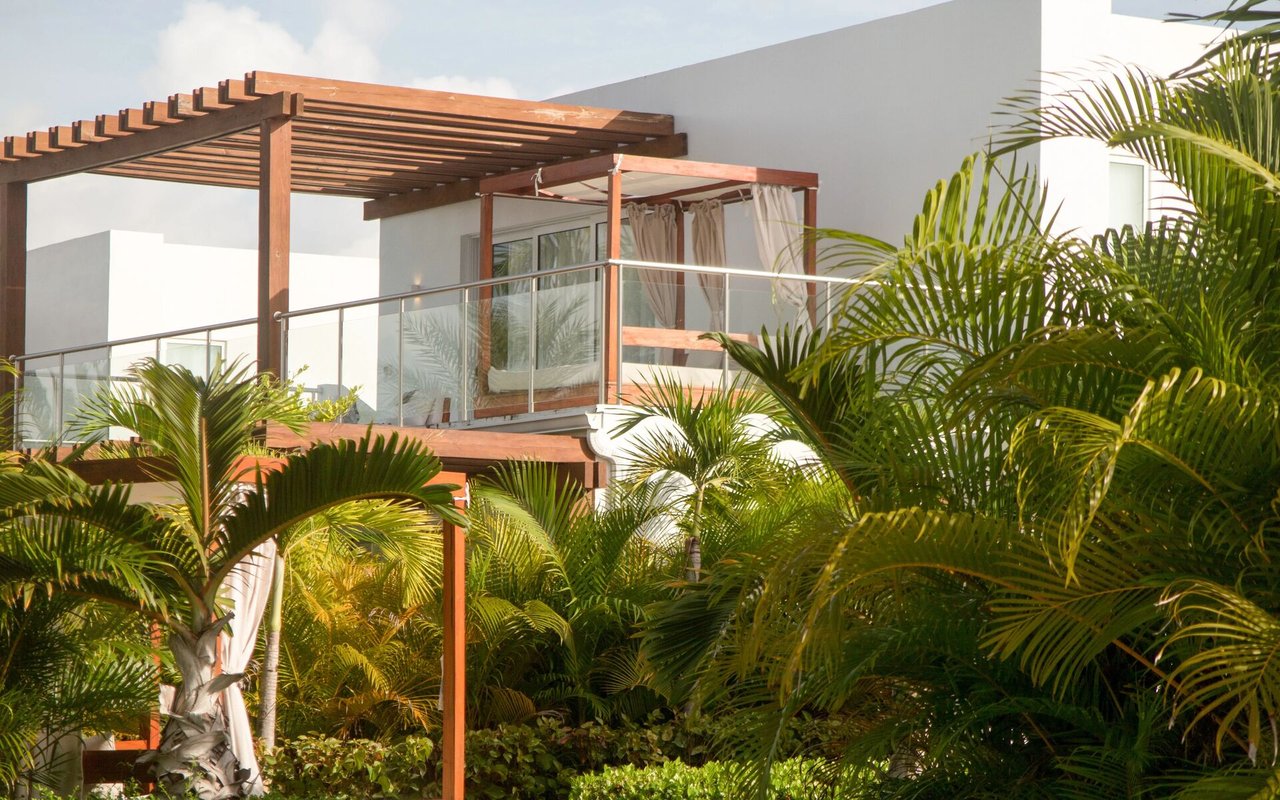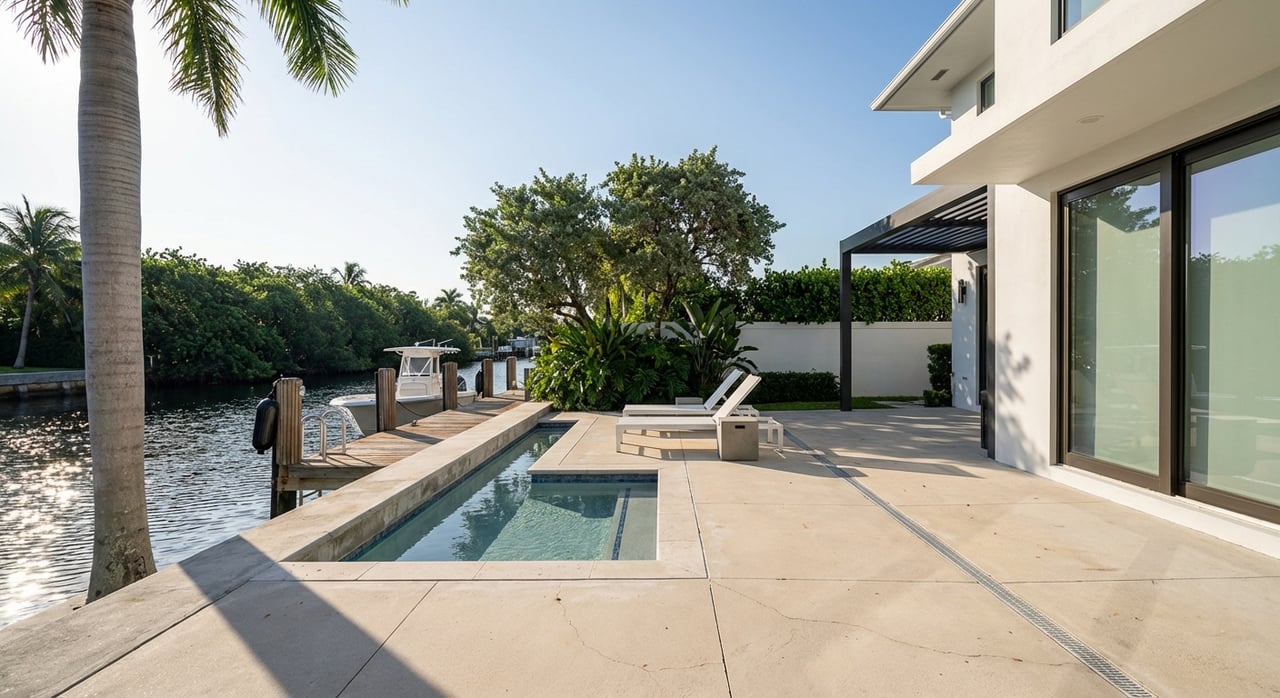
What if your morning coffee came with a Biscayne Bay sunrise and a paddleboard at the ready? If you are drawn to water, Miami Shores offers a calm, village feel with real access to the Bay. This guide shows you what daily life on the water looks like, plus the practical steps to buy with confidence. You will learn where to launch, how permits and flood zones work, and what to budget for long term. Let’s dive in.
Why Miami Shores waterfront stands out
Miami Shores sits on the western edge of North Bay, with both open bayfront and canal-front homes. It is commonly described as about a 20-minute drive to Downtown Miami and a short hop to Miami Beach and area bridges, which keeps your city access simple while you soak up the coastal lifestyle. You get a quieter residential setting with the Bay as your backdrop.
Public waterfront inside the Village is limited. The primary public stretch is Bayfront Park along North Bayshore Drive from roughly 94th to 97th Street. The Village has been pursuing a Bayfront Park and seawall improvement project to raise and repair the seawall and add amenities, which signals ongoing investment in shoreline resilience and public access.
For homeowners, waterfront lots come in two main types. Bayfront properties deliver wide sightlines and direct access to Biscayne Bay. Canal-front homes often offer private docks and more sheltered waters, with neighbors a bit closer and calmer conditions on windy days. Both connect you to the larger Bay system, just with different views and daily rhythms.
Daily life on the water
Mornings on Biscayne Bay
Many residents start early. You might check the tide and weather, then launch a kayak or paddleboard at dawn for quiet water, sunrise views, and wildlife. The Biscayne Bay Aquatic Preserve supports paddlecraft, fishing, snorkeling, and nature watching, so you can keep your routine low impact and close to home.
Weekends and marina logistics
If you have a private dock, weekends can mean quick boat trips, guest pickups, or heading to a nearby public ramp for trailered boats. Pelican Harbor Marina near the 79th Street Causeway is a frequently used public facility for residents around the upper Bay, and county marinas offer services and slips across the area. It is a practical setup whether you store a boat at home, dry stack, or trailer to the water.
Onshore rhythm and community
You do not need to be on the water daily to enjoy the lifestyle. Tree-lined streets and small parks like Optimist Park, Memorial Park, and the Tot Lot anchor daily life. The Shores Sunday Market at Optimist Park and seasonal village events add to the neighborhood feel, with gatherings under shady oaks that fit the village scale.
Fishing and nature from your backyard
Canals and near-shore Bay waters support recreational fishing with species commonly reported locally, such as snook, tarpon, and snapper. Expect shorebirds, schools of baitfish, and patches of algae or seagrass to drift through with the tides. On calm days, the water becomes your front-row seat to the Bay’s seasonal rhythms.
Practical factors you should plan for
Permits and shoreline work
Any work on docks, lifts, or seawalls usually requires permits. In Miami-Dade County, environmental rules and marine permitting are active programs, and larger marine facilities operate under annual permits. Depending on the scope, projects can involve County environmental review, the Florida Department of Environmental Protection, and sometimes federal review for navigable waters. Before you buy, assume dock and seawall work will require proper documentation and inspections.
Flood zones, insurance, and elevation
Waterfront homes interact with floodplain rules. Miami Shores participates in the National Flood Insurance Program and provides local flood guidance, including the Special Flood Hazard Areas you will see on FEMA maps, such as AE, VE, and AH. Elevation Certificates and flood insurance are common needs for Bay-adjacent properties, and the Village reports improvements in its Community Rating System participation that can reduce NFIP premiums for some parcels. During due diligence, ask for past elevation documents and verify zone details.
Sea level rise and long-range planning
Local planners rely on the Southeast Florida Regional Climate Change Compact’s unified sea level projections. The 2019 update shows an estimated 10 to 17 inches by 2040 and 21 to 54 inches by 2070, depending on the scenario. Tools like the NOAA Sea Level Rise Viewer help you visualize future high-tide and inundation exposure at the parcel level. These are planning inputs that shape seawall standards, insurance expectations, and long-term maintenance.
Seawalls and dock condition
Seawalls, docks, and boat lifts require periodic attention. The Village’s own Bayfront Park seawall work highlights the broader need to raise and maintain coastal defenses. Owners often plan for inspections and routine service annually, with larger repair or upgrade cycles over longer windows depending on site conditions. Ask for engineer reports, service logs, and any open permits when you evaluate a property.
Salt air, corrosion, and routine upkeep
Living beside Biscayne Bay means more exterior maintenance than inland homes. Coastal guidance emphasizes practical steps like choosing marine-grade hardware, rinsing exterior surfaces more often, tightening HVAC and window maintenance schedules, and staying proactive with paint and protective coatings. These habits protect finishes and help control long-term costs.
Your buyer checklist for Miami Shores waterfront
Use this quick list to keep your search focused and efficient:
- Flood exposure and insurance: Confirm the FEMA flood zone and ask for an Elevation Certificate if available. Review the Village’s flood information to understand local standards and how CRS participation may affect NFIP premiums.
- Seawall and dock documentation: Request permits, inspections, and engineer reports for docks, lifts, and bulkheads. In Miami-Dade, most shoreline work is governed by environmental and marine permits, and undocumented repairs can create closing risk.
- Utilities and mechanical elevation: Check that electrical panels, HVAC condensers, water heaters, and critical systems are elevated relative to local flood levels. These details influence insurance underwriting and post-storm recovery.
- Boat access and storage: Verify allowable dock size, slip depth, and turning radius for your vessel. Note proximity to public ramps and services at Pelican Harbor and other county facilities for guest launching or dry storage.
- Lifestyle fit: Walk the area around NE 2nd Avenue and visit local parks to confirm the vibe. The village’s market and events calendar help you gauge how your daily routine will blend with Miami Shores’ community rhythm.
- Long-horizon view: Use the NOAA Sea Level Rise Viewer alongside local flood resources so you understand potential future exposure and how it may shape maintenance planning.
- Budget for carrying costs: Plan for flood insurance where required, routine exterior care, seawall and dock maintenance, and any marina or boatyard fees if you do not keep a boat at a private dock.
Bayfront vs canal-front living
Both settings deliver water access. The right choice depends on how you use the water.
- Bayfront lots: Wider views and direct Bay access. You will feel open water conditions more and enjoy sweeping sunrises and long sightlines.
- Canal-front lots: More sheltered water and often closer neighbor spacing. Private docks are common, and navigation is protected on breezier days.
If you boat often, confirm navigation depth and bridge clearances along your route. If you value privacy and views most, stand at the seawall during different times of day to see light, wind, and traffic patterns firsthand.
How to move fast and smart
You can save time by preparing a few steps early in your search:
Pull public records. Ask sellers for dock and seawall permits and recent inspections. In parallel, check county permit histories so you are ready to move when the right home appears.
Line up flood details. Request any Elevation Certificates and verify zone data. Clarify insurance needs early to avoid surprises later in underwriting.
Pre-quote dock and seawall service. A quick site visit from a marine contractor can give you realistic maintenance timelines and costs.
Map your boating plan. Confirm slip depth at low tide, identify your preferred ramp at Pelican Harbor or other county marinas, and consider backup storage.
Walk the lifestyle. Visit Bayfront Park, the Shores Sunday Market, and nearby pocket parks so you know how the neighborhood will feel when you are off the water.
Ready to launch?
Waterfront living in Miami Shores blends sunrise paddles, protected canals, and a friendly village pace. With the right checks on flood exposure, seawalls, and permits, you can buy with confidence and start enjoying the Bay. If you want a fast, streamlined search with clear action steps, reach out to Andres Sanchez for a focused plan tailored to your goals.
FAQs
What is waterfront life in Miami Shores like day to day?
- Expect early paddles or boat rides on Biscayne Bay, community time at parks like Optimist Park, and village events such as the Shores Sunday Market that keep the neighborhood feel strong.
Which permits are needed for docks and seawalls in Miami Shores?
- Most shoreline work requires Miami-Dade environmental and marine permits, and larger facilities operate under annual programs, so request permit records and inspections before closing.
How do flood zones affect buying a Miami Shores waterfront home?
- Many Bay-adjacent parcels fall in Special Flood Hazard Areas such as AE, VE, or AH, which can trigger lender-required NFIP coverage, elevation documentation, and construction standards.
Where can I launch a boat near Miami Shores?
- Pelican Harbor Marina near the 79th Street Causeway is a popular public ramp and service point for upper Bay residents, with other county marinas available for storage and access.
How is the region planning for sea level rise?
- Local planners use the Southeast Florida Regional Climate Change Compact’s projections and tools like the NOAA Sea Level Rise Viewer to guide seawall standards, resilience projects, and long-term policy.
What maintenance should I expect on a waterfront property?
- Budget for routine seawall and dock inspections, lift service, and extra exterior care to manage salt air and corrosion, plus proactive HVAC, window, and coating schedules.