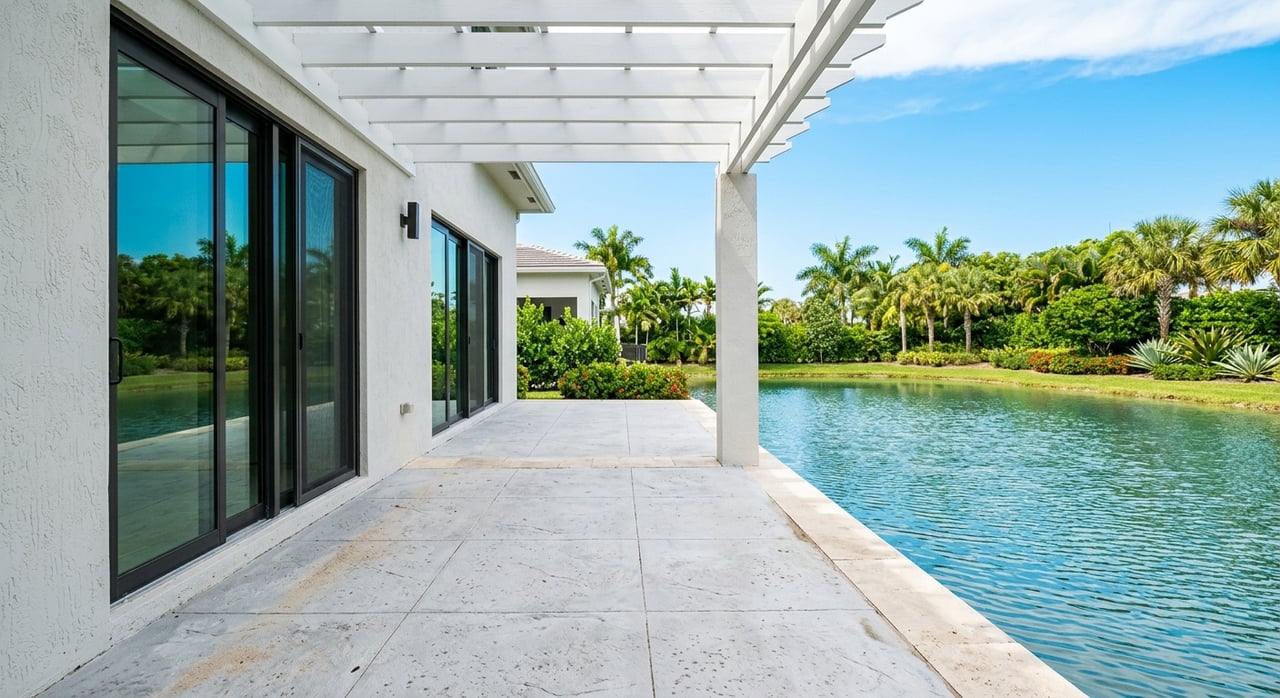
Looking for water views in Miami-Dade without jumping into a high-rise or oceanfront lifestyle? Miami Lakes offers a different kind of waterfront living, one built around neighborhood lakes, passive shoreline parks, and a compact master-planned layout that feels connected and practical. If you are thinking about buying, relocating, or simply narrowing your search, this guide will help you understand what living around the water in Miami Lakes really looks like. Let’s dive in.
Water Living in Miami Lakes
Miami Lakes was originally planned around an integrated community design that included 23 lakes, tree-lined streets, parks, and cul-de-sacs. That history still shapes the town today and gives the area a water-oriented identity that feels more neighborhood-based than resort-style.
This is important if you are comparing Miami Lakes with other parts of Miami-Dade. Here, the water lifestyle is less about marinas or towers and more about scenic residential pockets, maintained lakes, and everyday access to parks and walking areas.
What Daily Life Feels Like
Living around the water in Miami Lakes often means you are close to quiet lake edges, small shoreline spaces, and outdoor recreation woven into daily routines. The town has more than 100 parks and more than 1,700 businesses, so the setting feels both residential and well-connected.
You may find that the appeal is in the rhythm of day-to-day life. A short walk, a nearby park, a dog outing, or a quick stop at local businesses can all be part of the same day without needing to travel far.
Miami Lakes is also a compact town, with a land area of 5.66 square miles and an estimated population of 33,067 as of July 1, 2025. That smaller footprint can make lake-adjacent living feel accessible rather than isolated.
Lakefront Parks and Shoreline Spaces
One of the most distinctive features in Miami Lakes is its network of six passive parks with lakefront beaches. These are located at:
- P27, 6786 Crooked Palm Terrace
- P32, 7320 Twin Sabal Drive
- P67, 8560 Mentieth Terrace
- P8, 14105 Lake Childs Court
- P21, 6890 White Oak Drive
- P81, 8560 Breckness Place
These spaces help define the local water lifestyle. They support the idea that in Miami Lakes, being near the water often means access to neighborhood-scale outdoor areas rather than one large waterfront destination.
More Than Just the Lakes
The parks system adds a lot to the lifestyle story. Miami Lakes includes places such as Miami Lakes Optimist Park, Picnic Park East, Royal Oaks Park, Veterans Park, and the NW 170th Street Gateway Trail, along with amenities like walking paths, bike and exercise trails, sports fields, playgrounds, and pavilions.
Royal Oaks Park also includes a butterfly garden, which adds another layer to the outdoor experience. If you want a home near water but still value broader park access, Miami Lakes offers a balance that many buyers appreciate.
For pet owners, K-9 Cove is the town’s only off-leash dog recreation area. It includes separate fenced areas for small and large dogs, plus benches, drinking fountains, and shaded space.
What Water-Adjacent Homes Really Mean
When you search for homes around the lakes in Miami Lakes, it helps to stay precise. The best broad description is suburban residential living near district-maintained lakes and shoreline parks, not a promise that every property has direct frontage or private access.
That distinction matters because the experience can vary from one part of town to another. Some homes may be close to passive lakefront parks, while others are in residential pockets near lakes that are maintained through local districts or community structures.
Miami Lakes also has a largely owner-occupied housing profile, with 59.8% owner-occupied housing and a median owner-occupied home value of $626,400. For buyers, that supports the idea of a stable residential setting with long-term neighborhood appeal.
Special Taxing Districts to Know
One of the most practical things to understand about living around the water in Miami Lakes is that some neighborhood services are handled through special taxing districts. The town says these districts serve about 2,400 households and can provide services such as security guard coverage and lake maintenance.
The listed districts are:
- Miami Lakes Section 1
- Loch Lomond
- Royal Oaks Section 1
- Royal Oaks East
- Lake Hilda
- Lake Patricia
These costs are billed as non-ad valorem assessments on annual property tax bills. So if you are comparing homes near the water, it is smart to ask not only about purchase price, but also whether the property is within one of these districts and what the assessment covers.
Lake Maintenance Matters
Lake upkeep can have a real impact on how an area looks and feels over time. In June 2025, Miami Lakes adopted minimum lake maintenance standards for Lake Hilda and Lake Patricia.
According to the town, those standards include:
- Monthly service visits
- Algae control
- Invasive plant control
- Litter and debris removal
- Shoreline vegetation management
- Quarterly water-quality testing
The town also says these standards are intended as a voluntary benchmark for HOAs and other communities. That reinforces the idea that lake living in Miami Lakes is managed at a neighborhood scale, not through one single townwide waterfront model.
Flood and Drainage Questions to Ask
If you are buying near the water, you should always look beyond the view. The town’s flood-hazard information points residents to flood and water-level resources, storm-surge evacuation maps for Miami-Dade, and local forms for flood map and hazard information.
For buyers, that means flood and drainage should be part of your property review from the start. A home near a lake can be appealing, but you also want clarity on elevation, drainage patterns, insurance considerations, and any location-specific flood information tied to the property.
This is one area where careful due diligence can save time later. Fast decisions work best when they are backed by solid local information.
Why Miami Lakes Stands Out
Miami Lakes offers a water-centered lifestyle that feels distinct within Miami-Dade. Instead of a single waterfront strip, you get a network of lakes, park spaces, and residential areas that fit into a master-planned town setting.
That makes it appealing if you want scenery and outdoor access without giving up the convenience of a connected suburban layout. The town also reflects a multilingual and relocation-friendly character, with 89.0% Hispanic or Latino residents, 48.2% foreign-born residents, and 85.9% of residents speaking a language other than English at home.
For many buyers, that combination can feel especially welcoming and practical. If you are relocating within South Florida or moving into Miami-Dade for the first time, Miami Lakes can offer a more neighborhood-driven version of life around the water.
Smart Tips for Buyers
If you are considering a home near the water in Miami Lakes, keep these questions in mind:
- Is the home near a passive lakefront park or a residential lake area?
- Does the property sit inside a special taxing district?
- What services are included in any district assessment?
- Are there maintenance standards or shoreline rules that affect the property?
- What flood or drainage information should you review before making an offer?
These questions can help you compare properties more clearly and move forward with confidence. In a market where timing matters, having the right local guidance can help you stay sharp and avoid surprises.
If you are exploring Miami Lakes and want a clear strategy for buying near the water, Andres Sanchez can help you move quickly, ask the right questions, and find the right fit in Miami-Dade. Let’s strap up and cross the finish line together.
FAQs
What is waterfront living like in Miami Lakes?
- Waterfront living in Miami Lakes is mostly centered on neighborhood lakes, passive shoreline parks, and suburban residential areas rather than oceanfront buildings, marinas, or a resort-style waterfront.
Are there lakefront parks in Miami Lakes?
- Yes. The town lists six passive parks with lakefront beaches, giving residents access to shoreline spaces across different parts of Miami Lakes.
Do all homes around the water in Miami Lakes have direct lake access?
- No. Homes near the water can vary widely, so you should confirm property-specific details instead of assuming direct frontage, private shoreline access, or water views.
What are special taxing districts in Miami Lakes?
- Special taxing districts are local districts that may provide services like security guard coverage and lake maintenance, with costs billed as non-ad valorem assessments on annual property tax bills.
Which Miami Lakes areas have lake maintenance districts?
- The town identifies Lake Hilda and Lake Patricia as the two lake-maintenance districts.
What should buyers ask before purchasing near a lake in Miami Lakes?
- Buyers should ask about special taxing district assessments, what those fees cover, flood and drainage conditions, shoreline upkeep, and whether the home is near a passive park or a district-maintained residential lake.
Is Miami Lakes a good fit for relocation buyers who want outdoor access?
- Miami Lakes can be a strong option for relocation buyers who want a compact town, a park-rich setting, and a neighborhood-scale water lifestyle within Miami-Dade.