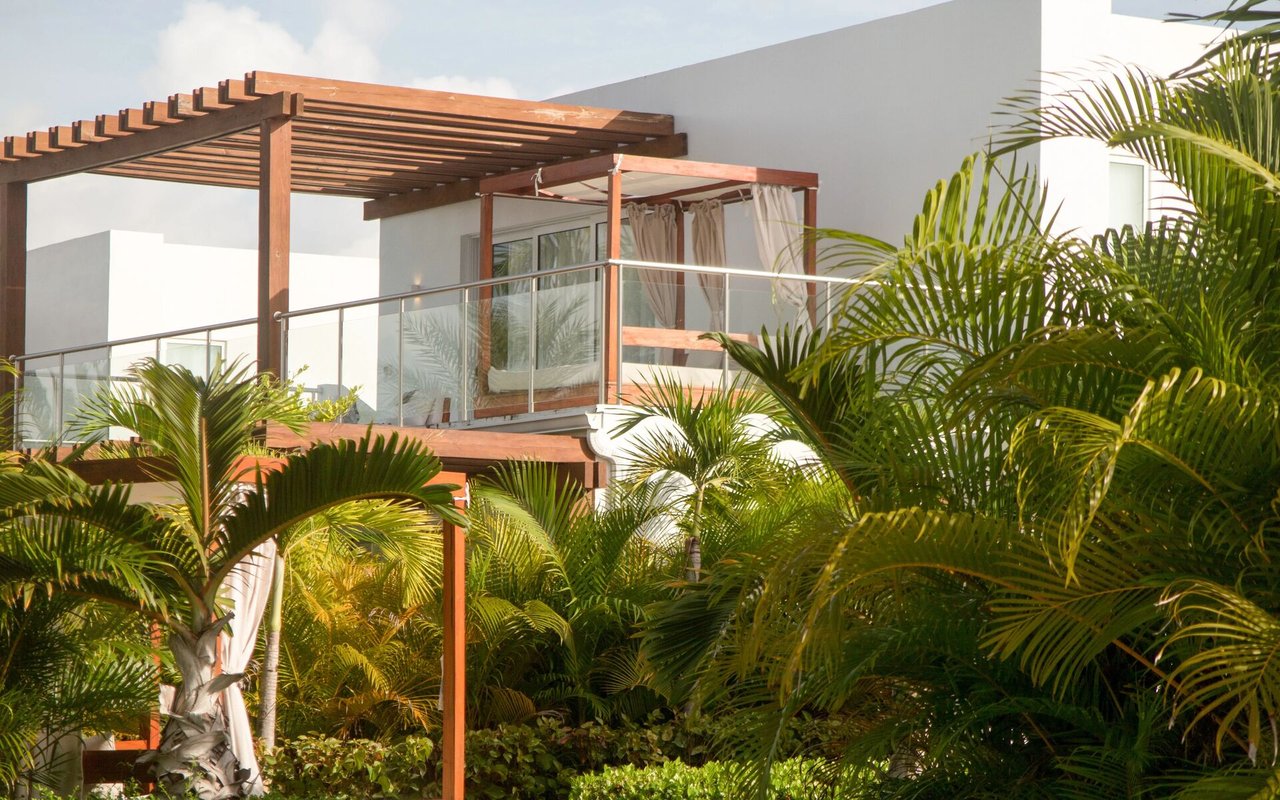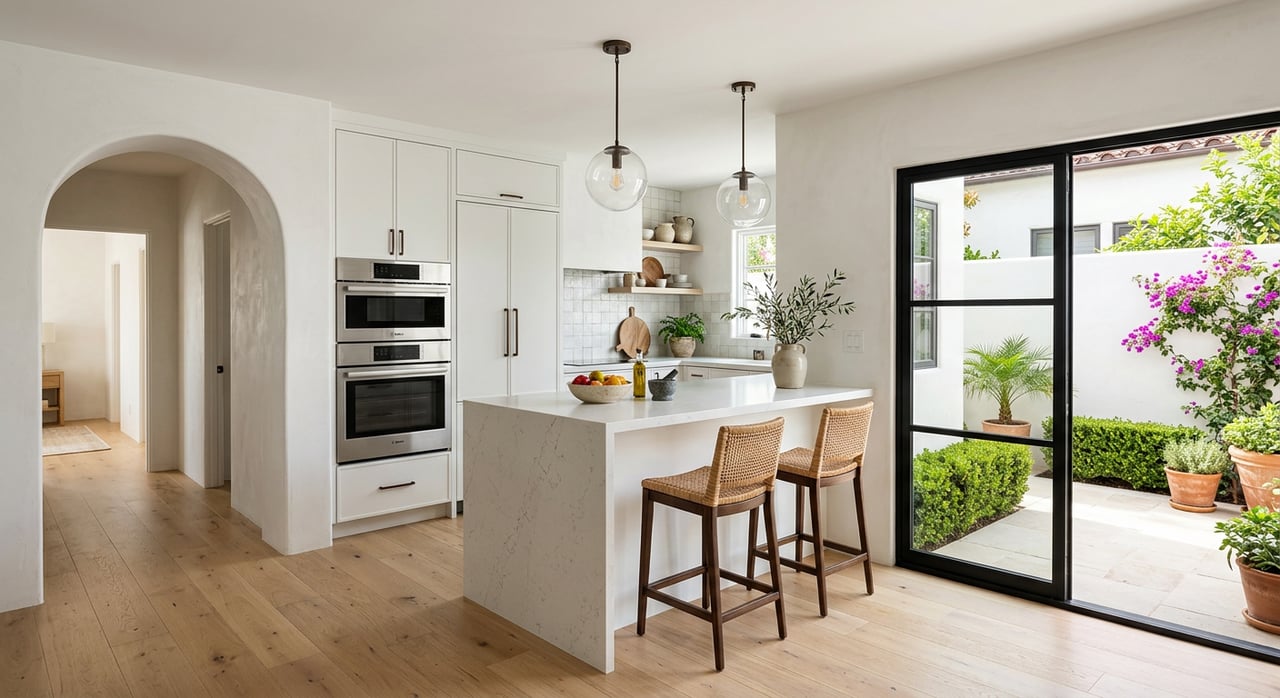
If you are torn between a romantic 1920s Mediterranean gem and a sleek modern build in Coral Gables, you are not alone. You want the charm, but you also want comfort, predictability and strong insurance options. In this guide, you will see the real trade-offs so you can choose with confidence. You will learn what style and neighborhood fit really mean, what to expect for maintenance, how permits and historic review work, and which resilience features can lower risk and costs. Let’s dive in.
Historic style and neighborhood fit
If character is your north star, historic homes in Coral Gables deliver it. The city’s “City Beautiful” roots show up in stucco walls, barrel tile roofs, arches and courtyards that feel timeless. The City emphasizes preserving these character-defining features and reviews visible changes for compatibility with the Secretary of the Interior’s Standards. You can preview that guidance in the City’s preservation manual, Preserving Our Past, which explains how exterior changes are evaluated and when a Certificate of Appropriateness applies.
Buying a designated historic home means the same features that win your heart can also be protected by local review. Rooflines, tile, windows and ornament are treated as historic fabric. Plan to work within those rules if you want to change anything visible from the street.
New builds and modern comfort
New builds trade some of that original character for predictability. You typically get open layouts, updated systems and a building envelope designed to the current code. In Coral Gables, new construction and major exterior work still go through the City’s design review. The development review process explains how zoning, the Board of Architects and permits work together to keep projects compatible with the neighborhood scale and streetscape.
If you value a faster path to approvals, fewer unknowns and modern features, a newer build, or a historic home that was recently and properly upgraded, will usually feel easier.
Maintenance realities in Coral Gables
Older Coral Gables homes often use materials that age differently than today’s products. Stucco over masonry or hollow tile can crack and admit moisture if drainage and flashings are not right. Clay tile roofs can last a long time, but underlayment, flashings and fasteners are regular maintenance items. Original wood windows and doors can be beautiful, but you will want a careful inspection for rot or termite damage. The City encourages repair over replacement and like-for-like materials on historic exteriors.
Two Florida-specific checks are critical. First, termites. South Florida is high risk for wood-destroying organisms. Ask for a WDO inspection, prior treatment records and any transferable warranties, and review University of Florida guidance on prevention and control. Second, HVAC lifespan. In our climate, systems often wear faster. Ask for ages, maintenance logs and duct conditions. A licensed HVAC pro can advise on when replacement is smarter than repair and what efficiency gains to expect.
Energy efficiency and resilience
Newer homes built to the current Florida Building Code have a clear edge on energy performance. The 2023 Florida Building Code Energy Conservation chapter sets a higher baseline for insulation, HVAC sizing and controls. If lower bills and better comfort matter, newer code-compliant systems are a real advantage.
For storm protection, remember that Miami-Dade is a High-Velocity Hurricane Zone. Impact windows and doors must carry Miami-Dade Notices of Acceptance or Florida Product Approvals, and installers must follow the approved instructions. Before you buy, verify labels, approval numbers and permit history. These features are more common in newer builds, but many older homes have been upgraded correctly.
If you are considering solar, placement on a visible street-facing roof can trigger historic review on a designated property. The City often suggests placing panels on non-street-facing roof planes or in rear yards for compatibility. Also watch timing on federal clean energy incentives and confirm eligibility with a tax professional.
- Explore the 2023 Florida Building Code energy baseline.
- Learn how to verify impact product approvals and installation.
- Review IRS updates on residential clean energy credits.
Flood and long-term risk
Coral Gables is investing in sea-level and stormwater resilience. Even so, your due diligence should include the property’s FEMA flood zone, any Elevation Certificate and local flood history. The City’s sea level and resilience page outlines mapping and ongoing projects. These details affect long-term risk, potential infrastructure work and insurance.
Insurance and wind mitigation
Florida insurers must offer discounts for verified wind mitigation features. Common credits come from roof-to-wall connections, impact-rated openings and certain roof deck attachments. Ask for the latest wind mitigation inspection and roof documentation. If you add impact glazing or other upgrades, plan to document them for your insurer. A newer code-built home often starts with more of these features in place, but many vintage homes now qualify after proper retrofits.
- See Florida’s wind mitigation resources and discount overview.
Permits and historic review 101
In Coral Gables, designated historic properties require a Certificate of Appropriateness before most exterior work. Staff can approve some routine items, while more substantial changes go to the Historic Preservation Board. The City’s preservation manual shows what qualifies for staff review versus a Board hearing and outlines submittal materials.
All homes, historic or not, must pull the right building permits. Use the City’s development review process guidance and permit portal to check past permits for roof replacements, additions, HVAC, electrical and windows. Unpermitted work is a negotiation point and may delay closings.
Quick buyer checklist
Order these early so you can move fast and negotiate with facts.
- Home inspection and WDO report. Ask for prior termite treatment records and warranties.
- Wind mitigation inspection and roof documentation. Verify any impact glazing and roof attachments.
- Flood due diligence. Confirm FEMA zone, check for an Elevation Certificate and ask about past flood claims.
- Permit history. Pull records for roof, windows, HVAC, electrical, additions and pools via the City’s permit portal.
- Historic status and scope. Ask the Historic Preservation staff whether the property is designated and whether your planned exterior changes will need a Certificate of Appropriateness.
- Contractor interviews. If you plan work, ask for examples of Coral Gables historic projects, Miami-Dade NOA familiarity and itemized bids with permit fees, inspection steps and timelines.
- HVAC and utilities. Confirm ages, refrigerant type, duct condition and maintenance logs. Budget for replacement if the system is near the 10 to 15 year mark.
Which path fits your goals?
Choose a historic home if you:
- Value Mediterranean-Revival details, mature landscaping and a walkable, established streetscape.
- Are comfortable with targeted maintenance and working within preservation guidelines for visible changes.
- Want the place-based value that comes with original character and documented history.
Choose a newer build if you:
- Want predictability, modern layouts and fewer near-term repairs.
- Prioritize current code compliance for energy and hurricane performance.
- Prefer easier insurance underwriting and faster paths to common upgrades.
Both paths can work when you approach them with clear goals, strong inspections and tight documentation. Let the checklist guide you, and lean on local resources for permits, approvals and insurance credits.
Ready to move fast in Coral Gables?
Whether you are eyeing a classic City Beautiful bungalow or a modern build with impact glass, you deserve a fast, confident move. If you want high-touch guidance, sharp negotiation and digital-first execution, connect with Andres Sanchez. Let’s strap up and cross the finish line together.
FAQs
What makes Coral Gables historic homes different?
- Many homes reflect 1920s City Beautiful design with stucco, clay tile roofs and courtyards, and exterior changes on designated properties can require a Certificate of Appropriateness per the City’s preservation guidance.
How are new builds reviewed in Coral Gables?
- New construction goes through the City’s development review and Board of Architects for compatibility with neighborhood scale before permits are issued.
What inspections should I order for a Coral Gables home?
- Get a full home inspection, a WDO termite report, a wind mitigation inspection, permit history, and verify flood zone and any Elevation Certificate before you finalize terms.
Do impact windows lower insurance in Miami-Dade?
- Insurers must offer wind mitigation discounts in Florida, and verified opening protection can help, but you need documentation from a wind mitigation inspection and approved product records.
Are historic homes harder to renovate?
- Interior updates are often straightforward, but visible exterior changes on designated properties may require a Certificate of Appropriateness, added design detail and more time.
Why do newer homes feel more energy efficient?
- Newer builds must meet the 2023 Florida Building Code energy standards, which tighten insulation, HVAC sizing and controls for better comfort and lower operating costs.
What should I know about solar on a historic Coral Gables home?
- Panels visible from the street may need historic review; the City often prefers non-street-facing roof planes or rear-yard placement, and you should confirm federal credit timing and eligibility.